HSP (Henoch-Schönlein Purpura)
A Common Cause of Rash And Abdominal Pain In Children
HSP or Henoch Schonlein Purpura is characterized by the presence of crops of purple rashes, abdominal pain, joint pain (mainly the knees and ankles) and swellings, plus or minus blood in vomit, urine, or stool. These symptoms are usually preceded by symptoms of cold (cough, runny nose and fever) the previous week or two.
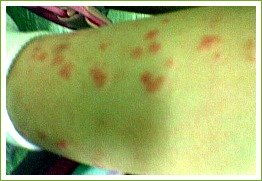
What is HSP? It is a disease that affects very small blood vessels in the body, called capillaries, causing them to be inflamed and damaged.
The damaged capillaries then leaks out blood under the skin and into various organs, especially into the kidney, gut, joints and skin leading to the development of rash and the other associated symptoms.
Most of the time it runs its course over a few weeks without any serious consequence with complete recovery. In a few cases, it could lead to potentially life threatening complications like bowel obstruction (intussuception), kidney failure, stroke, seizure and coma. It is therefore vital to understand this disease, and know what to look out for at the outset, and what intervention (s) may be necessary.
Symptoms of HSP
Henoch Schonlein Purpura can occur at any age. It is more common though in children, between the ages of 2 to 11 years. Boys tend to be more affected than girls. It is relatively common. It occurs in about 2 out of every 10,000 children, and more in late Autumn to early Spring.
The symptoms of hsp are mainly:
- Rash
- Abdominal pain
- Joint pain and swelling
- Fever and feeling unwell
These symptoms are usually preceded by the presence of fever, cough, runny nose and cold the previous 2 or 3 weeks.


