Constipation During Pregnancy
Know What To Do
Understanding Constipation During Pregnancy And What Laxative Is Safe To Take When Pregnancy
If
you suffer with constipation during pregnancy, see the common causes,
symptoms, how to make a diagnosis, remedies and treatment of
constipation in pregnancy, as well as safe medicines to use and those
medicines you must avoid for constipation when pregnant. You will also
be able to share your experience with us if you chose to.
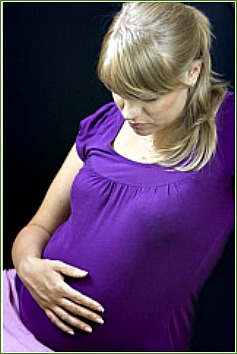
An increased tendency to develop constipation is one of those extra challenges that being pregnant bring.
It is estimated that up to 4 out of every 10 pregnant women will suffer with different degree of constipation at one time or the other during their pregnancy.
This increased possibility for constipation is primarily brought about by the effect of some of the hormones of pregnancy, notably, progesterone, on the bowel, leading to relaxation of the wall of the bowels and a slowing down in the time it takes food to go through the gut.
Constipation due to pregnancy can start as early as in the first trimester (first 1 to 12 weeks of pregnancy) tends to be more of a problem in the mid trimester (12th to 24th week of pregnancy) and gradually starts to get better towards the end of the third trimester (last few weeks of pregnancy).
The good news is, if you suffer with constipation during
pregnancy and at any stage of pregnancy, there are things you can do about it and get your bowel moving
again, no matter how bad it is. But, how can you be sure you are having the symptoms of constipation in pregnancy?
Symptoms of Constipation During Pregnancy
Most people open their bowel as much as 3 times a day. For some others, they have bowel motions no more than 2 to 3 times in a week.
If you have any decrease in the frequency of opening your bowels that is different from what is normal for you, then the chances are that you are constipated. This may also include the passage of hard painful stools.
So, if you are pregnant and are...
- Passing stools infrequently
- Stools are hard and sometimes painful
- Straining during passage of feces
- Feel a sense of incomplete emptying of your bowel after stools (called tenesmus)
- Passing small hard pellet-like stools or even large hard stools that can block the toilet,
You are experiencing constipation in pregnancy.
Other associated symptoms of constipation during pregnancy include:
- Feeling bloated
- Reduced appetite
- Nausea
- Abdominal pain and sometimes cramps
Prolonged constipation in pregnancy can also lead to development of bladder of urine infection.
Constipation In Pregnancy: A Case Report
Kemi is 18 weeks pregnant. She has not been able to open her bowels for the past two weeks.
This has gradually developed over the last 6 weeks, with progressively reduced frequency of opening her bowels, and when she does, she always feels like she has not completely gone. The stools were increasingly hard and small.
She now feels bloated, uncomfortable, and with reduced appetite. She reports that she gets occasional twitchy abdominal pain on the right side of her abdomen. Each time she feels like going to the toilet, she ends up passing very smelly wind. She will sit on the toilet bowl without anything coming out. She has increased her intake of water, fruits and vegetables. Things remained the same.
She went in to see her doctor. After examination, she was given a prescription for some laxatives and on taking these she opened her bowel after the fourth dose. It was a big relief and only then did her appetite become normal.
She was advised by her doctor to increase her level of exercise in pregnancy to include walking and using exercise balls, and to increase her intake of dietary fibre and drink clear sugar free fluids.
She progressed through the pregnancy opening her bowels more frequently.
Causes of Constipation During Pregnancy
Wondering what might be causing your constipation in pregnancy? You may have nothing to do with the cause. Even though some research fails to link pregnancy as a specific cause of constipation, the following are known causes of constipation during pregnancy:
- Hormone Changes
Progesterone is one of the steroid hormones produced during pregnancy. It is originally meant to relax the wall of the uterus and help protect and nurture the baby as it develops in the womb. It also causes the muscles on the wall of the bowel to relax. This leads to the slowing down of the movement of the remnant of digested food material as it passes down your bowel and giving more time for water to be absorbed from the undigested food material, thus forming hard stool, difficult to pass. Exercise and the eating of fibre rich diet - at list 40g of insoluble fibre per day, would help to overcome this problem. - The Uterus
As the uterus or womb grows in size, it gets to a point where it literally presses on the large bowel, thus preventing fecal material passing down easily, leading to constipation during pregnancy. Regular exercise would help here as well. - Medication
If you are on certain type of medications, these can cause or worsen constipation in pregnancy. These medications include:
- Iron Tablets - very commonly prescribed in pregnancy
- Pain Killers like cocodamol, codiene, or morphine ... opioids in general
- Medications used in epilepsy ...like carbamazepine (tegretol), phenytoin (called dilantin or epanutin),
- Some medications used in heartburn or antacids
- Most anti-psychotic and anti-depression medications
- Some medications used in treatment of hay fever and allergies.
- Diet
This is an area you can work on to avoid constipation during pregnancy. You need to select the type of food you eat during pregnancy. Make sure you eat food rich in insoluble fibre, like fresh fruits and vegetables, prunes, figs, nuts, cereals and bread. Aim to consume up to 40grams of dietary fibre a day. To eat loads of junk foods at this stage is to court trouble. You can read about the right food to eat in pregnancy from experts from the book, Healthy Eating During Pregnancy (You & Your Baby) - Piles
Again pregnancy increases the chance of developing piles or hemorrhoids. The discomfort from this after opening the bowel can make someone feel reluctant to go to toilet. This will lead to constipation during pregnancy, and then worsen the piles.If you have piles during pregnancy, see your doctor as soon as possible for remedies to relieve the discomfort. - Anal Fissure
Another problem commonly found in pregnancy is tear in the back of the anus. This causes severe pain on defecation with a tiny blood stain in the hard stool or in your nickers after using the toilet. Expectant mothers who suffer with this problem fears defecation. This worsens the problem, as the next bowel opening would be even more hard and difficult.
If you find your self to be constipated and you are on any medication, please check and read the leaflet that came with the medication and see if constipation is listed as one of the side effects. If it is, you may not necessarily have to stop the medication. Just see your doctor who may decide to reduce the dose, change the medication or prescribe a laxative to combat the constipation while you continue to take the medication due to its benefit.
This is also true, in the case of iron tablet or pregnancy multivitamin that has been implicated in constipation.
Anxiety, emotional upsets and worries of pregnancy can be grouped together as another cause of constipation during pregnancy.
Remedies And Treatment For Constipation In Pregnancy
Are you suffering with moderate to severe constipation during pregnancy? The treatment of constipation in pregnancy is more or less similar to that in the non-pregnant, except the need to be very careful with the choice of medication (s) used during pregnancy.
It is often best to try natural remedies for constipation first before the use of medications.
The following have been found to be useful treatment of constipation during pregnancy:
Non Drug Treatments
- Dietary modification, increased fiber intake
- Mild to moderate exercises will help
- Increased water intake. Drink up to 10 cups of clear fluid per day
Safe Medications For Constipation During Pregnancy
- Lactulose. Take 15ml two times a day
- Movicol. Take one sachet of Movicol dissolved in 125mLs of water once to three times a day, depending on severity of the constipation.
- Macrogols can be used in place of movicol in severe chronic constipation
- Senna tablets 7.5mg two times a day with Movicol can be used in severe constipation in pregnancy
Most of these medications are available online from certified international pharmacies like Express Chemist.
Medications To Avoid For Constipation During pregnancy
While laxatives like movicol, lactulose, bisacodyl, senna, and the bulk forming laxatives that do not get absorbed in any significant amount from the bowels into the blood of the pregnant woman are safe to use in pregnancy for constipation, the following medicines are not recommended for use in pregnancy:
- Docusate Sodium - some experts advice that this medicine should not be used at all in pregnancy why some others think it is safe if used in very small dosage. It is okay to use in very low dose if all other recommended medicines fail to help in the treatment of constipation in pregnancy. There was a single case of low magnesium level in a newborn baby after his mother took this medication. There is otherwise no other reported adverse effect of this medicine in pregnancy.
- Phosphate Enemas - this is a frequently prescribed powerful medication to help clear severe diarrhea, especially with fecal impaction. Because of the increased risk of causing abnormality of salt and water in the pregnancy, it is not recommended for use in pregnancy, except under expert supervision and for a short time.
- Sodium Picosulfate - According to available evidence, there is not enough experience with the use of this medication for constipation during pregnancy and thus not much is known about its potential effects on the pregnant woman or her baby. It is therefore not routinely recommended for use in pregnancy.
- Dantron Laxatives - These are also best avoided during pregnancy and breastfeeding, for the same reasons as those for the use of docusate sodium, with which it often comes
- Castor Oil. Avoid castor oil use in pregnancy for constipation. This is because it can cause premature labour by inducing the womb to go into contraction.
As a general rule, most laxatives should be used only for a short duration of time in pregnancy. If you need to use a laxative for more than three days in pregnancy, make sure you consult your doctor.
Last updated: 20th September 2015
Constipation During Pregnancy - Share Your Experience; Ask Questions:
Do you have an experience on constipation in pregnancy or have a query you want our constipation expert to deal with? Share your thoughts here!

More On Constipation
|
|
|
||
| search engine by freefind |
Sign Up For
Our Newsletter
Recent Articles


-
Anxiety stomach Pains caused by possible cancer return
Jul 06, 23 02:54 PM
Diagnosed with Prostate Cancer 16 years ago. Over the last 2 years my PSA results have started to climb, therefore yesterday I had a full body bone scan -
Left upper Quadrant pain for 18 months!
Mar 27, 22 06:55 PM
Hi, About 18 months ago I had to call an ambulance as I had severe pain in my abdomen on the left side. I was discharged and they told me it was an intercostal -
Mesenteric Lymphadenitis - Causes, Symptoms, Diagnosis and Treatment
Sep 19, 20 04:16 PM
 Mesenteric lymphadenitis is a common cause of right-sided abdominal pain in children, that mimics appendicitis. Though more common in children, it can occur in



Disclaimer : The information provided on this website is for educational purposes only. It is not a substitute for seeking a one-to-one professional medical advice and treatment.
ALWAYS consult your doctor or healthcare provider to see if the information provided here applies to your personal situation and for personalized care.
The presence of hyperlinks from this website to external organizations does not constitute an approval, recommendation or endorsement of these organizations. They are provided for convenience only.
ABDOPAIN.com and its affiliates disclaim any and all warranty or liability for the use or lack of use of any and all information on this website. If you have a medical emergency, call your local emergency medical service.